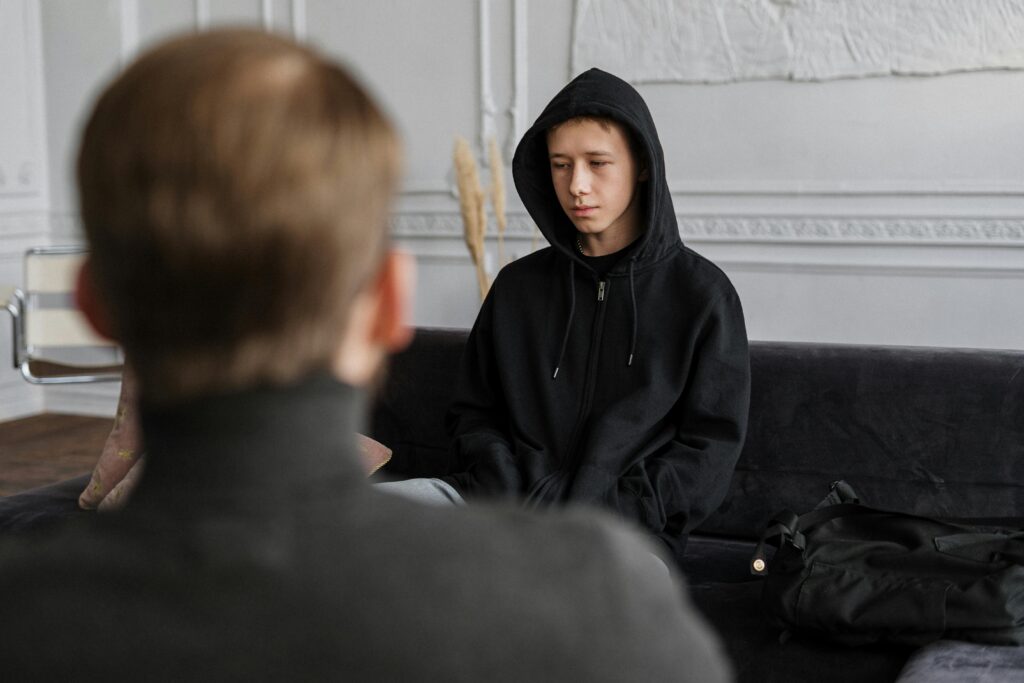


Burnout is no longer just a workplace buzzword. For many young people, it has become a serious health concern shaped by the demands of modern life. An increasing number of young adults are reporting constant exhaustion, anxiety, and emotional depletion, pointing to a growing mental health challenge.
Experts say the rise is being driven by several factors, including economic uncertainty, pressure from social media, and the fading boundary between work and personal life. Burnout, which was once associated mainly with senior professionals, is now affecting students, entry-level workers, and young entrepreneurs trying to establish themselves.
Mental health professionals describe burnout as prolonged physical and emotional exhaustion, often accompanied by detachment and reduced performance. Unlike ordinary stress, it develops over time and can severely interfere with everyday life.
According to Clinical Psychologists, the increase among young people is deeply concerning. The youth today are under constant pressure to succeed, often without the necessary support systems. They are juggling financial stress, career expectations, and the need to maintain a certain image online. It becomes overwhelming for them.
Social media has increased the pressure. Platforms that were once used mainly to connect people, now often encourage comparison and unrealistic standards. Many users feel compelled to present polished versions of their lives, which can lead to feelings of inadequacy and anxiety when reality does not match what they see online.
Psychiatrist Dr. Aisha Patel warns that constant exposure can take a serious toll on mental health.”Social media creates a cycle of comparison that is difficult to escape,” Patel said. “Young people measure their progress against others, often without recognising that what they see online is not always reality.”
Economic hardship is another major factor. High unemployment and increased living costs mean many young people are working longer hours, taking on extra responsibilities, or struggling to find opportunities altogether. That ongoing strain contributes to mental and emotional fatigue.
“Financial pressure is one of the main causes of burnout. When young adults are uncertain about their financial future, stress becomes a daily reality. This uncertainty forces many to overwork or take on multiple roles, which increases the risk of burnout.” South African Economists stated.
The impact of the COVID-19 pandemic is still being felt. School disruptions, isolation, and uncertainty about the future pushed stress levels higher. Even as life has started to return to normal, many young people continue to deal with the emotional aftermath.
Although burnout is becoming more common, mental health awareness and access to care remain uneven. Public conversations about mental health have improved, but stigma still prevents many people from seeking help. Expenses and limited services remain major obstacles, especially in underserved communities.
Counselling psychologist Dr. Neo Pule says early action is essential.”Burnout does not go away on its own,” Pule said. “Early intervention, whether through therapy, support groups, or lifestyle changes, can prevent more serious mental health conditions from developing.”
There are however, signs of progress. More companies and schools are beginning to prioritize mental health through support programmes and better work-life balance policies. Individuals are also taking steps to protect their well-being through exercise, mindfulness, and setting boundaries around work and social media use.
Experts agree that addressing burnout will require both personal and structural change.”It’s not enough to tell individuals to ‘take a break,'” Dr. Pule added. “We need environments, whether workplaces, schools, or communities, that support mental health and well-being.”
As burnout continues to become more evident, it is becoming clear that this is a societal issue, not just a personal one. Without meaningful intervention, the long-term effects could damage productivity, relationships, and overall quality of life. For many young South Africans, the goal is no longer just to succeed, it is to do so without sacrificing their mental health.