

A new joint study by the Electoral Commission of South Africa and the Human Sciences Research Council has revealed a sharp decline in public confidence in democracy, with a growing number of South Africans questioning the value of participating in elections.
The findings, released on Wednesday 25 March 2026, come as the country prepares for local government elections later this year. Officials have described the results as a “sobering” reflection of public sentiment.
The survey points to widespread frustration among citizens who feel they are not benefiting from democracy, particularly in terms of service delivery and improved living conditions. Many respondents indicated that they no longer see elections as a meaningful tool for change.
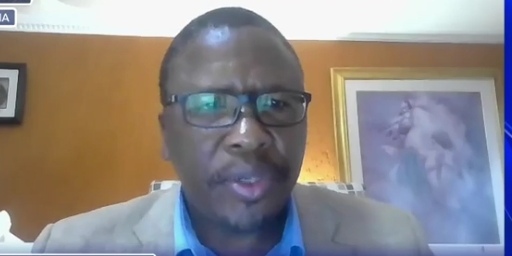
According to IEC Deputy CEO David Shale, this disillusionment is closely linked to unmet expectations.
“They connect the lack of service delivery to elections. They then draw a conclusion that participating in an electoral process is a fruitless exercise,” he said.
The study shows that support for democracy has dropped significantly — from 65% in the mid-2000s to just 36% today. At the same time, 26% of respondents said they would consider non-democratic forms of governance acceptable.
Shale noted a concerning trend in which some citizens believe authoritarian systems may be more effective.
“There also seems to be a section of our people that thinks they are better off in a dictatorship-type government. The reason for this often is that in a dictatorship, the bureaucratic maze is minimised. If leaders want to deliver something today, it will be done,” he said.
He added that frustration with slow decision-making and perceived inefficiencies in democratic governance is eroding public patience.
The nationwide voter participation survey included a broad cross-section of society, but dissatisfaction was most pronounced among unemployed respondents. Shale linked this to economic hardship and rising expectations placed on the state.
“These are the groups that are looking up to the state to provide for their social welfare,” he said.
He warned that declining trust in democratic institutions, including the IEC itself, could have direct implications for voter turnout.
“If you look at the overall trust in governance institutions, including the IEC, we are almost on a downward spiral. The environment within which we operate, and the factors highlighted in the study, are tracking us down,” Shale said.
Despite the concerning findings, the IEC believes the study presents an opportunity to rebuild public trust. The commission says it plans to strengthen voter education campaigns and expand stakeholder engagement ahead of the upcoming elections.