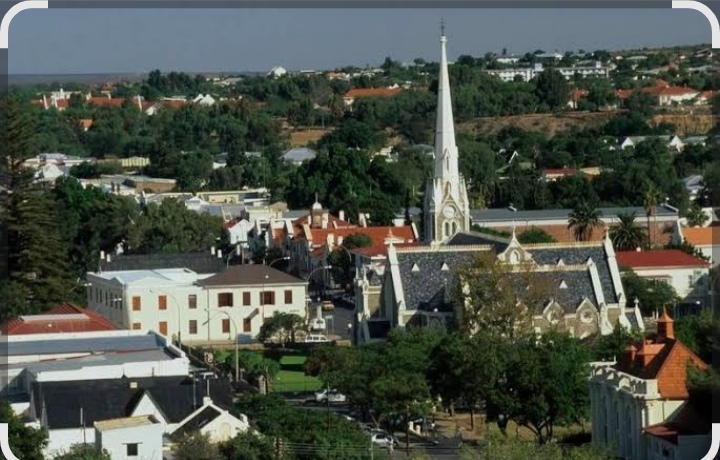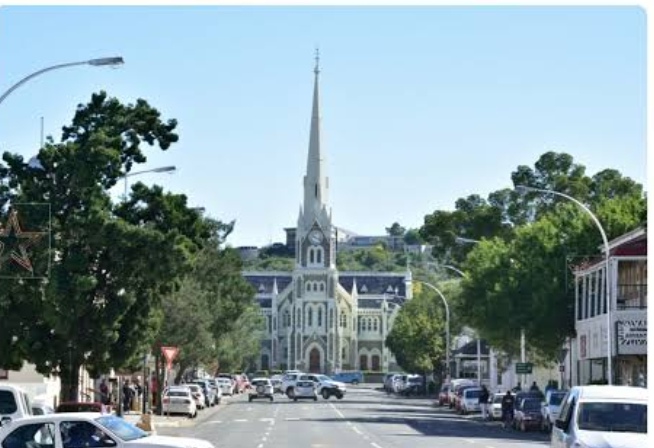


Graaff-Reinet, founded in 1786 by the Dutch East India Company, is one of South Africa’s oldest towns. Originally established as a frontier outpost in the Eastern Cape Colony, the town was created to administer expanding settler communities and maintain order. Named after Cape Governor Cornelis Jacob van de Graaff and his wife, Hester Cornelia Reynet, Graaff-Reinet grew into a prominent agricultural and cultural hub, renowned for its Cape Dutch architecture and historical significance in frontier conflicts and colonial expansion.
The town’s renaming honors Robert Sobukwe, a leading anti-apartheid activist and founding president of the Pan Africanist Congress (PAC) in 1959. Sobukwe led the 1960 anti-pass law campaign, which culminated in the Sharpeville protests, and endured years of imprisonment, including extended isolation on Robben Island under legislation designed specifically to keep him detained.
Government officials announced the name change as “a necessary step in reflecting the true heroes of our nation’s liberation struggle.” They added “This decision forms part of the ongoing transformation of South Africa’s geographical landscape to ensure it represents the democratic values we stand for today.” Officials also said “By renaming the town after Robert Sobukwe, we honor a fearless leader whose sacrifice and commitment to justice helped shape the South Africa we know now.”
The renaming has sparked discussions across communities, with supporters viewing it as an overdue recognition of Sobukwe’s contribution to the nation, while some residents express concerns about heritage, tourism, and historical identity.
This move joins a broader national trend of reevaluating place names to honor anti-apartheid leaders, a step that reflects South Africa’s ongoing journey of reconciling its past with a democratic future