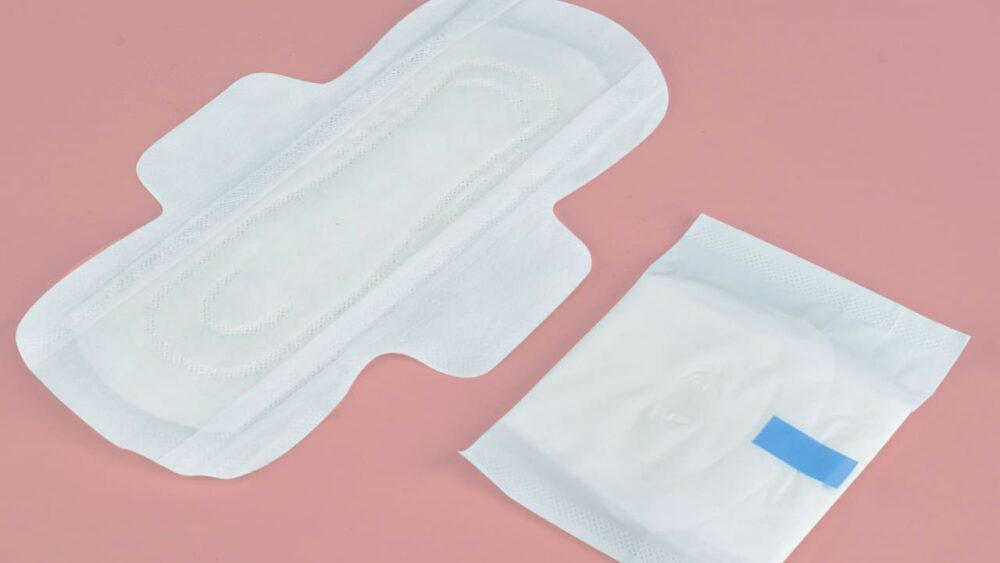


A study by the University of the Free State (UFS) has found hormone-disrupting chemicals in every menstrual product it tested — including brands marketed as “organic” or “chemical-free”.
The research, published in Science of the Total Environment, analysed 16 sanitary pad brands and eight types of pantyliners sold at major South African retailers. Researchers detected at least two endocrine-disrupting chemicals (EDCs) in each product.
Scientists screened for three major classes of EDCs: phthalates, bisphenols — including bisphenol A (BPA) — and parabens. Bisphenols were detected in 100% of sanitary pads and 75% of pantyliners. Parabens were found in more than 81% of pads and 75% of liners. Phthalates, commonly used as plasticisers, were present in all pantyliners and in half of the pads tested.
The researchers noted that the chemicals are not necessarily added intentionally. Instead, they may migrate into products during manufacturing through plastics, adhesives, packaging materials or contaminated water. Heat-processing techniques can also push these substances into the top layer that comes into direct contact with the skin.
EDCs such as phthalates, bisphenols and parabens have been linked to reproductive toxicity, hormonal imbalance and certain cancers. BPA can mimic oestrogen in the body, raising concerns about long-term health risks associated with repeated exposure.
Head of UFS’s Department of Chemistry, Deon Visser, said the findings challenge common marketing claims.
“Many sanitary pads and liners contain hormone-disrupting chemicals, even when they are marketed as being ‘free from harmful chemicals’. Manufacturers are not required to disclose the full chemical composition of menstrual products, and we believe they should disclose all chemicals, even if levels fall below daily limits, ” Visser said.
The study highlights regulatory gaps in South Africa. While standards cover absorbency and microbiological safety, there are currently no regulations governing chemical content in menstrual products, and full ingredient disclosure is not mandatory.
Researchers are calling for stronger oversight, clearer labelling and routine chemical monitoring. In the meantime, they advise consumers to consider products certified under OEKO-TEX Standard 100 or explore reusable alternatives.
The study forms part of UFS’s broader menstrual health initiative, which includes developing reusable sanitary pads with antimicrobial properties. The authors say further research is urgently needed to understand the long-term health effects of repeated, low-dose exposure.