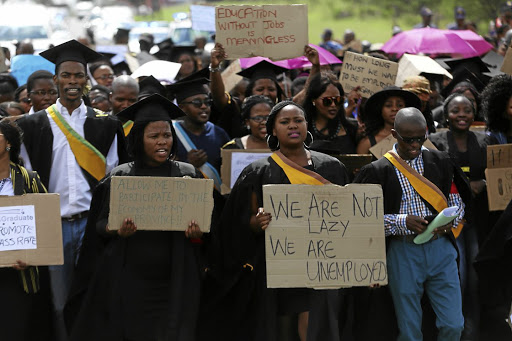


A new report by Statistics South Africa shows that more South Africans with post-matric qualifications are falling into poverty, pointing to shifting economic realities rather than improved opportunities. The data, presented by chief director for poverty and inequality statistics Patricia Koka, reveals that while overall poverty has declined between 2015 and 2023, there has been a slight increase among those with higher education.
Koka explained “What we are observing is that poverty has continued to decline across all educational levels, except for a slight increase among those with higher education.” In 2015, 6% of individuals with higher education were living below the poverty line, but this figure rose to 7.4% in 2023. Their share within the total poverty population also increased significantly, from 2.1% to 3.9% over the same period. People with matric qualifications have similarly seen a notable rise in their representation among the poor.
Overall, 37.9% of South Africans—approximately 23 million people—are living below the lower-bound poverty line, set at R1,300 per person per month. Although around 2.5 million people have moved out of poverty since 2015, millions still face severe economic hardship.
The trend is evident across the country, including in Gauteng, South Africa’s economic hub. Poverty in the province increased slightly by 0.2% between 2015 and 2023, reaching 26.5%, though it remains below the national average of 37.9%.
Young adults continue to be the most affected group. Individuals under the age of 24 have the highest poverty rates, and in 2023, children made up 43.1% of those living in poverty. The data highlights the strong link between youth and poverty, with many struggling to secure stable livelihoods.
Persistent inequality is also evident in the findings. Black South Africans account for 93.6% of those living below the poverty line, while women make up 53.6% of the poor, although the gender gap has narrowed over time. Household numbers plays a major role, with poverty rates exceeding 80% in households with 10 or more members and over 60% among households with six or more members.
Chief director for labour statistics Desiree Manamela, says changes in the labour market are central to understanding why more educated individuals are falling into poverty. She notes that updated labour statistics now provide a broader picture of employment challenges, including underemployment and discouraged job seekers, in line with international standards. “As much as unemployment is a headline measure, it is still not sufficient to capture all groups with insufficient access to employment opportunities,” she says.
Recent figures show that in the fourth quarter of 2025, the official unemployment rate stood at 31.4%, with 7.8 million people unemployed. However, when discouraged job seekers and others in the potential labour force were included, the combined rate increased to 42.1%, while the broader measure of labour under-utilisation reached 44.5%. Manamela adds that “those aged 15 to 24 have the highest unemployment rate with the lowest labour participation rate,” while only 44.3% of those aged 25 to 34 are employed.
These findings indicate that many young people, including graduates, are either unable to find work or are not fully absorbed into the labour market, contributing to the growing number of educated South Africans living in poverty.