

South Africa’s immigration system has been systematically compromised, with public officials allegedly turning state offices into what investigators describe as “profit-making schemes” the Special Investigating Unit (SIU) has revealed.
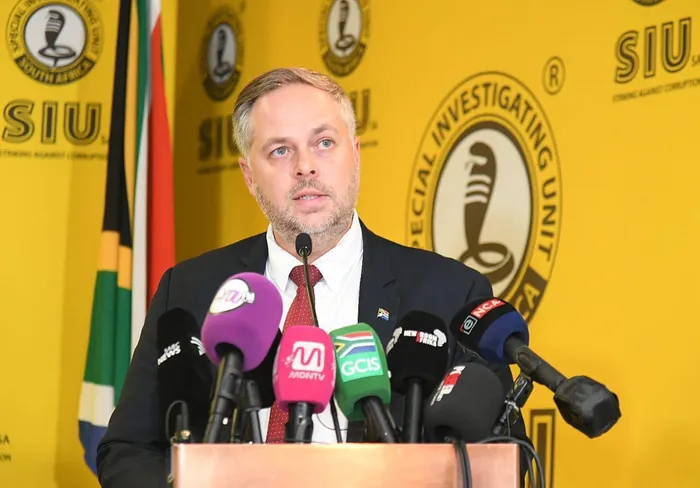
In its interim findings, the SIU says permits and visas were “sold, traded and laundered” by corrupt officials, enabling foreign nationals to unlawfully generate more than R181 million through illegal access to the country’s documentation systems.
The investigation uncovered over R16 million allegedly pocketed by officials who manipulated immigration processes for personal gain. Authorities say the scale of the scheme points to entrenched corruption within parts of the Department of Home Affairs.
So far, 275 criminal referrals have been submitted to the National Prosecuting Authority (NPA), with the SIU indicating that the full investigation is expected to be finalised by September.
The probe also revealed that some religious leaders had obtained fraudulent entry permits, highlighting systemic vulnerabilities in the verification and oversight processes.
Home Affairs has dismissed 58 officials implicated in wrongdoing and says it welcomes the SIU’s intervention.
Minister Leon Schreiber described the findings as a “serious betrayal of public trust.”
“We are determined to restore the integrity of our immigration system and ensure that those who sold out their country face the full consequences of the law,” Schreiber said.
The revelations have raised broader concerns about border control, national security, and the credibility of South Africa’s immigration framework. Analysts warn that corruption of this magnitude undermines public confidence and exposes the country to exploitation networks operating both locally and internationally.
As the SIU moves toward concluding its investigation, attention now turns to the NPA — and whether prosecutions will match the scale of the alleged misconduct.
The findings raise concerns about border security and governance, pressuring authorities to safeguard the immigration system.