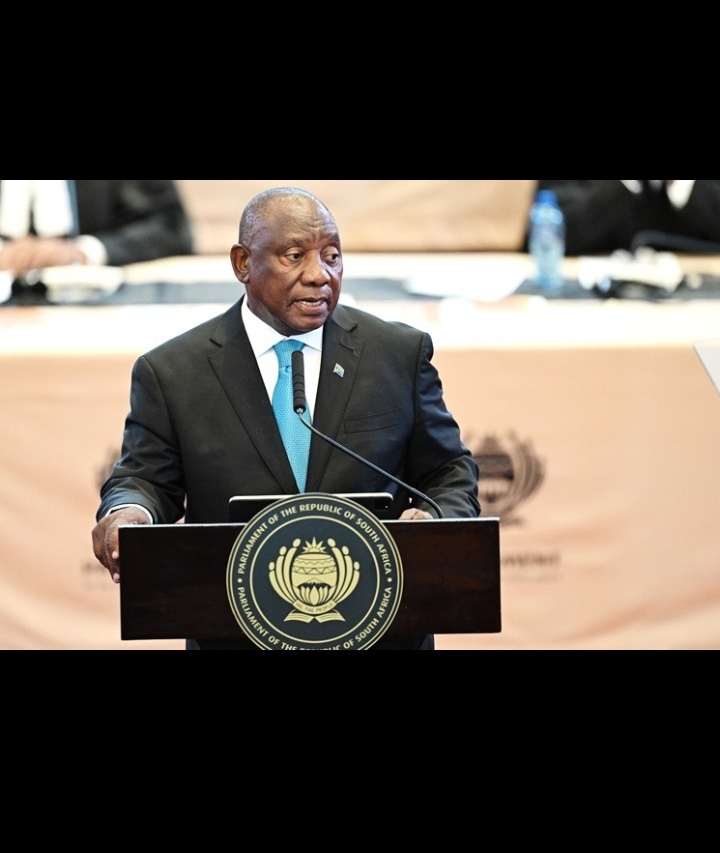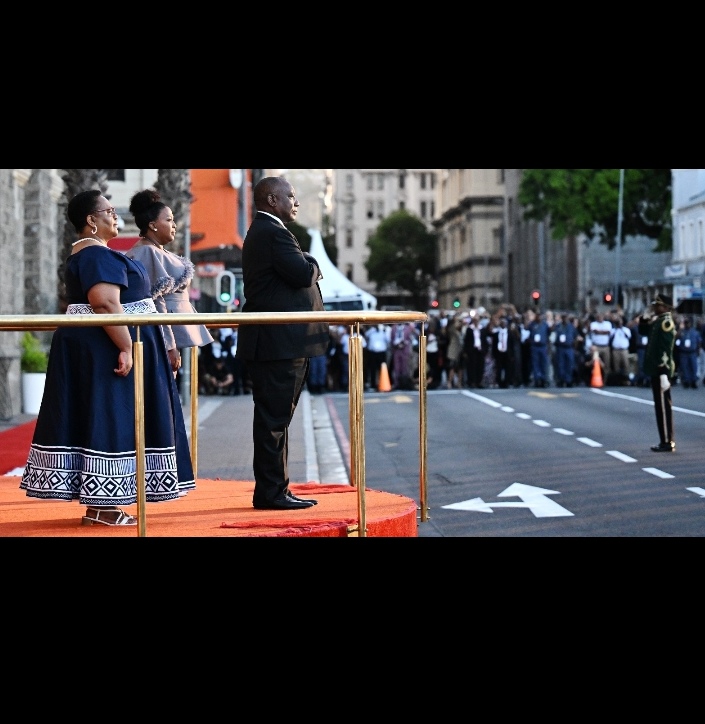


On 12 February 2026, President Cyril Ramaphosa addressed a joint sitting of the National Assembly and the National Council of Provinces at Cape Town City Hall for South Africa’s annual State of the Nation Address (SONA), outlining government priorities for the year ahead.
The address, a cornerstone of South Africa’s democratic calendar, serves as a platform for the President to assess national progress, confront ongoing challenges, and set policy direction across economic, social, and governance fronts.
A central theme of this year’s speech was the state of the economy. Ramaphosa struck a cautiously optimistic tone, citing four consecutive quarters of GDP growth, a firmer exchange rate, and inflation at its lowest level in nearly two decades.
“South Africa’s economy is in a stronger position than it was a year ago” Ramaphosa told Parliament. “But growth alone is not enough — it must translate into jobs, dignity, and opportunity for our people.”
He stressed that while macroeconomic indicators are improving, faster and more inclusive growth remains essential to tackling unemployment, poverty, and inequality. Structural reforms, he said, are critical to unlocking investment and removing regulatory bottlenecks that constrain business expansion.
“We must deepen reforms that improve competitiveness and make it easier to do business in our country” the President said.
Although detailed policy measures are expected to unfold through official documentation and parliamentary processes, senior officials had already signalled key priority areas ahead of the address. These include strengthening water security, intensifying the fight against crime, improving local government performance, and sustaining economic reform initiatives.
“These interventions are about fixing the foundations of service delivery and restoring confidence in state institutions” a senior government official said prior to the speech.
The focus on water infrastructure and municipal performance reflects growing public frustration over service delivery failures, infrastructure backlogs, and persistent inefficiencies affecting communities and businesses.
This year’s SONA also took place under heightened public scrutiny. Business groups and civil society organisations urged the President to move beyond broad policy commitments and provide clear implementation timelines, particularly to support small and medium enterprises navigating regulatory complexity and economic uncertainty.
Opposition parties signalled they would closely monitor progress on previous commitments, continuing to demand measurable outcomes on unemployment, crime prevention, and basic service delivery.
“South Africans want delivery, not declarations” one opposition MP remarked ahead of the debate, highlighting the political pressure facing the administration.
Beyond policy announcements, the address reaffirmed the resilience of South Africa’s constitutional democracy. Despite ongoing socio-economic strain, SONA remains a visible symbol of institutional continuity and parliamentary accountability.
The speech now sets the framework for Parliament’s legislative agenda and oversight work in the months ahead, with ministers expected to table detailed implementation plans and face rigorous debate.
As the country navigates a fragile recovery, the real test for government will be turning cautious optimism into sustained progress — and ensuring that economic gains are felt in households across the nation.