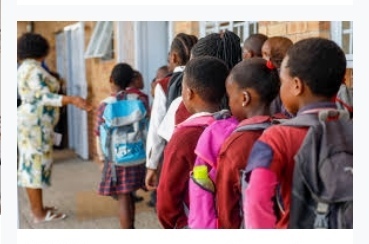


Thousands of learners across South Africa have been settled into classrooms as the 2026 academic year gets underway, but school placement challenges continue to affect families in several provinces. Education authorities point to late applications, limited school capacity and delayed responses from parents as the main factors slowing the process, even as most learners in key entry grades have been successfully placed.
In the Western Cape, the majority of learners entering Grades R, 1 and 8 have secured placements. The provincial education department reports that around 96% of these learners, more than 180,000 in total, are now attending school. However, approximately 7,500 learners were still awaiting placement at the start of the academic year, largely as a result of late applications.
The department has acknowledged that late submissions place pressure on planning, staffing and classroom allocation, and has indicated that efforts are ongoing to identify available space and continue placing outstanding learners as capacity becomes available.
Gauteng has reported similarly high placement rates, with about 97% of Grade 1 learners and just over 94% of Grade 8 learners placed for 2026. Despite this progress, the province continues to experience pressure in densely populated areas, where demand for school spaces remains high. At the start of the year, more than 15,000 learners were still without confirmed placements.
Gauteng Education MEC Matome Chiloane has urged parents to respond promptly to placement offers, noting that delays in accepting placements slow down the system and affect other learners waiting for spaces.
KwaZulu-Natal, by contrast, has reported that all learners have been placed for the 2026 school year. Provincial officials have attributed this outcome to early planning, improved coordination and sustained engagement with schools and communities ahead of the admissions cycle.
At a national level, government has reiterated that education remains a priority and that placement processes continue even after schools reopen. Education authorities have stressed the importance of parents applying on time, submitting complete documentation and responding quickly to official communication to help ease pressure on the system.
Departments across the country are working to finalise outstanding placements while strengthening long-term planning, infrastructure development and admissions systems to reduce future backlogs. Parents who are still awaiting placement are advised to remain in contact with their local education offices, follow official communication channels and avoid individuals or groups promising guaranteed placements outside formal processes.
By cooperating with education departments and adhering to admissions guidelines, parents can play a crucial role in ensuring a smoother and fairer placement process for all learners.